Reasons to Focus on Your Outdoor Plumbing This Spring
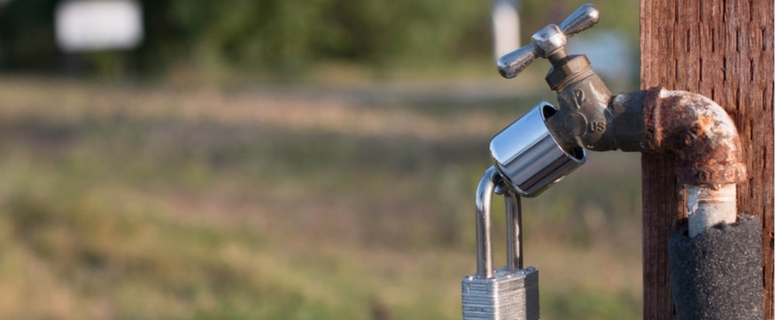
There are lots of reasons that you should take the time to maintain your outdoor plumbing this spring. Mostly, it’s important because proactive maintenance will identify small problems before they have a chance to develop into something bigger.
It can also help you find leaks and reduce water waste, which will save you money. Sound like good reasons? Here are the jobs that you have to do to get this done.
Check the Outdoor Faucets
 Outdoor faucets are prone to leaking, especially if they have frozen over the winter. If you leave your garden hose attached, there is a tiny bit of water inside, but it is enough to freeze and cause cracks and breakage.
Turn your faucet on and off. Do you see any moisture on the faucet where it shouldn’t be? It’s possible that you have a leak further down the supply line.
To check this out, turn on the spigot and place your hand on the opening. If you can hold the water in using only your hand, you likely have a leak. The water pressure should be stronger.
Clean Your Gutters Well
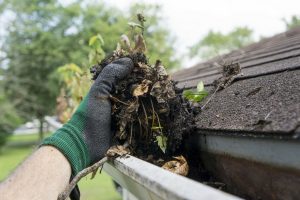 When leaves and other debris gather in your gutters, they block water from reaching the downspout, where it drains away from your home.
The water has to go somewhere, and unfortunately, it ends up often near your foundation. You could have basement or foundation leaks, which will cause water damage and mold growth.
Clean your gutters on a regular basis and inspect for damage. One hint- use a broom instead of a hose to clean the gutters. Using a hose for that job will waste water and raise your water bills.
Inspect Your Outdoor Hoses
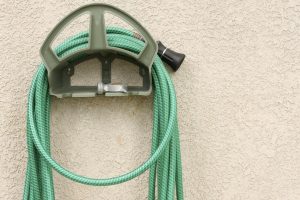 Did your hoses survive the winter in Holmdel, NJ? Do a full inspection before you put them back to work in your lawn and garden. Are there any tears or cracks?
Repair them with a patch kit. Also, ensure that the hose screws properly into the hose bib, or you’ll have water spraying everywhere.
You can make your hoses last longer by keeping them out of the sun and always unraveling them when they kink.
Check Your Sprinkler Out
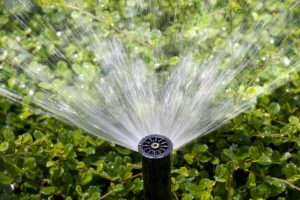 Do a walkabout your lawn and look at your sprinkler heads.
Cut away any grass that is too tall or too close to the sprinkler head.
Remove dirt that could block it. Double check that the timer is set to your desired times for watering.
Choose to water in the evening or early morning for good water conservation. Look for signs of leaks. If you detect pooling water, sunken patches or bubbling water, you may have a leak.