Water Leak Detection Information From the Experts
Wondering if you have a leak? You would expect to see evidence of water, but that isn’t the only sign that you’ve got a leak.
Have your water bills crept up without explanation? Does your water meter continue to run, even long after when your faucets are turned off?
Do you hear water running when you shouldn’t? Is there a musty odor in your home? Do you have low water pressure?
Identifying these red flags are some of the first steps towards leak detection. Here is what else you need to know.
The Real Problems with Water Leaks
Having a water leak is going to cost you. You are wasting water, which is going to cost you more on your water bills.
Water leaks will damage your home’s structure. When things like framing, beams, and walls get wet enough, they shift and warp causing damage and danger.
This is not a cheap fix. You may very well have to relocate while your home is fixed.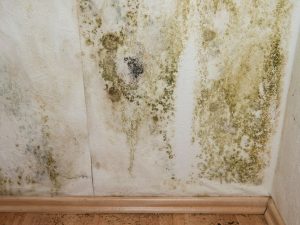
Don’t forget the health hazards.
Water damage causes mold to grow, and it doesn’t take very long.
Within 48 hours of initial contact with water, you can expect mold to appear on walls or carpet.
Mold spores are very dangerous to breathe in.
There are mental health costs as well because experiencing water damage is stressful.
Prevent the Problem with Ongoing Maintenance
As most of your water will accumulate in the basement if you have a leak, protect your belongings by placing your storage up on shelves, not on the floor.
Make sure that bathroom tiles are air tight by fixing grout when necessary.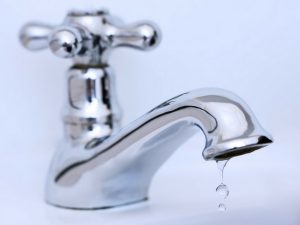
Check sinks and faucets for leaks. Clean out faucet aerators regularly.
Upgrade your washing machine and refrigerator ice maker hoses to braided stainless steel, which are less likely to rupture.
Inspect piping for distress and corrosion and upgrade old piping before it breaks.
Many older homes have copper pipes which are less durable.
Detect Leaks
While your leaks technically can be coming from anywhere that you have plumbing, there are a few common spots to look at first.
Are your sinks leaking? Open up the cabinet. Is there mold growth?
Take a dry cloth and wipe the cabinet down. Is it wet? Wrap a dry tea towel around the piping and see if it gets wet.
How old is your water heater? It might be leaking. Look to see if there is pooling water or corrosion. Pay special attention to the valves to see if they are leaking.